How Metal Table Legs Can Level Up Your Custom Furniture Design
- Share
- Issue Time
- Jan 13,2026
Summary
Elevate custom furniture with metal table legs—superior durability, heavy-top strength, and timeless style. Versatile modern, industrial, hairpin designs. Customizable height/shape/color for perfect stability & contrast with wood, glass, or stone tops.
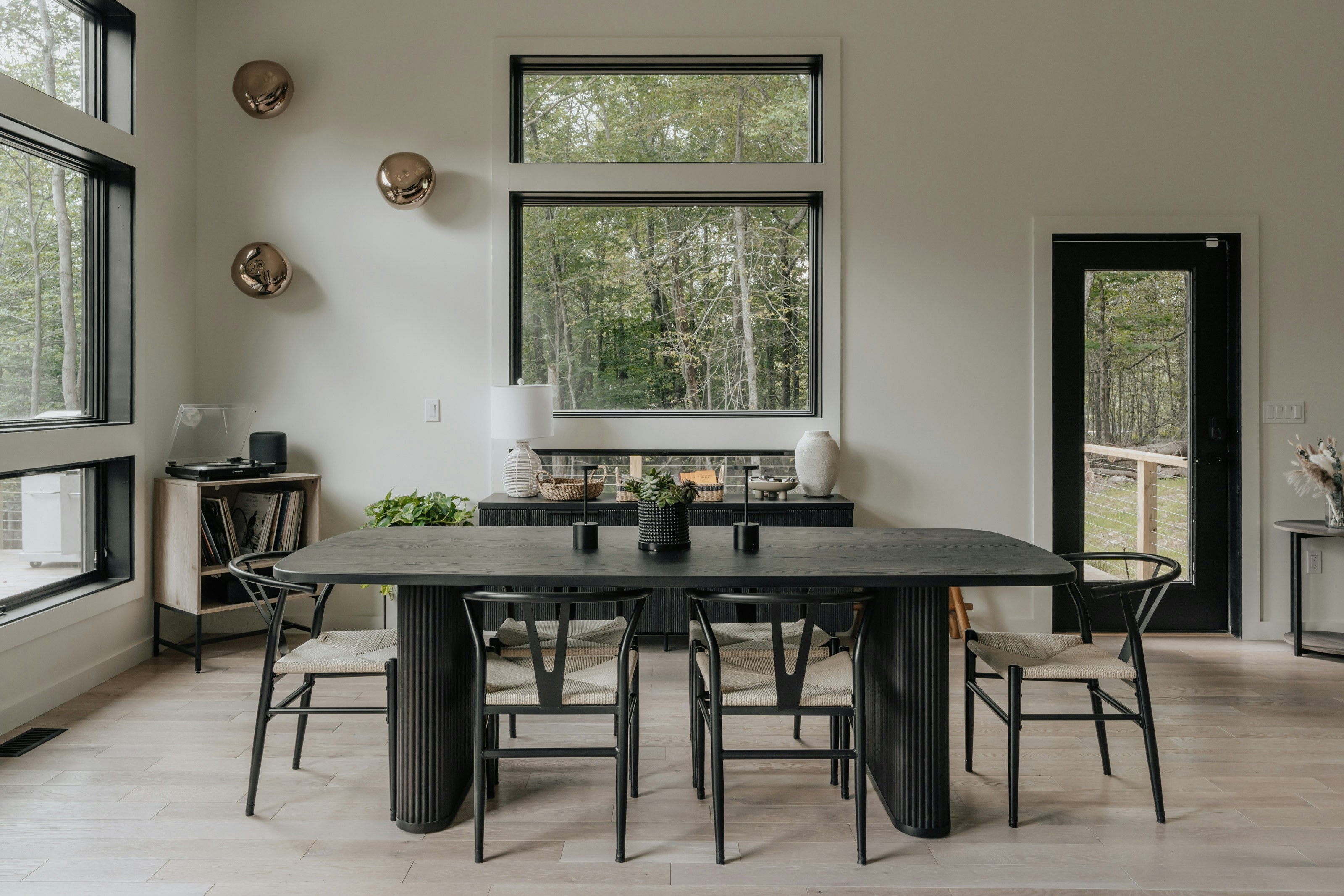
Thinking about custom furniture for your home? You're in for a treat! Custom pieces allow you to make your living space truly your own, reflecting your unique style and lasting for generations. But where do you start, especially when it comes to the often-overlooked yet critical element of furniture design: the legs?
When it comes to elevating the design and functionality of custom furniture, the choice of legs is paramount. While often seen as a minor detail, the right metal table legs can transform a piece from ordinary to extraordinary. Let's explore how metal table legs can level up your custom furniture design and why they are a statement of both style and durability.
Why Metal Table Legs are a Pillar of Custom Furniture Quality and Aesthetics
The foundation of any great piece of furniture lies in its stability and design. Metal table legs excel in providing a superior base that enhances both the durability and the visual appeal of your custom creations. They are more than just support; they are a defining feature that can anchor a room's entire aesthetic.
Durability and Longevity: The Sustainable Choice
When investing in custom furniture, you want pieces that stand the test of time. Metal table legs are renowned for their incredible strength and durability. Materials like steel, stainless steel, and aluminum can support immense weight, making them perfect for heavy tabletops made of solid wood, stone, or thick glass. Unlike wood, which can be susceptible to warping, cracking, or pest damage over time, metal maintains its structural integrity regardless of the environment.
This inherent durability leads to significant long-term benefits:
- Reduced Replacements: Furniture built with a robust metal base is less likely to require repairs or replacements, minimizing waste and environmental impact.
- High Recyclability: Metals such as steel and aluminum are highly recyclable and can be repurposed multiple times without losing their quality. Many manufacturers now craft high-quality legs from recycled metals, reducing the need for virgin resources.
- Sustainable Investment: The longevity of metal ensures that furniture is less likely to end up in a landfill, contributing to a more sustainable, circular economy. Choosing furniture with metal legs means investing in pieces built to last for generations.
By opting for metal, you are not only choosing strength but also making a conscious decision towards a more eco-responsible home.
Unmatched Style and Versatility: Finding Your Perfect Metal Table Leg Fit
The days of metal being associated with a single, cold, industrial look are long gone. Today, metal table legs are celebrated for their incredible aesthetic flexibility, capable of complementing any interior design scheme. Their versatility allows them to be a transformative element in custom furniture.
Consider the vast array of styles and finishes available:
- Minimalist & Modern: Sleek, clean lines, and simple geometric shapes (like square, U-shape, or trapezoid legs) deliver a contemporary aesthetic that works beautifully in modern, Scandinavian, or urban loft designs.
- Industrial Chic: Raw steel with a clear coat or matte black finishes evoke a powerful industrial vibe, perfect for pairing with reclaimed wood or concrete tabletops.
- Mid-Century Modern: Hairpin and tapered legs bring a touch of retro elegance, creating a light, airy feel that is characteristic of this beloved design era.
- Luxurious & Glam: Polished brass, chrome, or gold-finished legs add a touch of opulence and sophistication, turning a simple table into a statement piece.
The finish you choose plays a crucial role in the final look. Powder coating offers a durable, scratch-resistant surface in a nearly endless spectrum of colors. Brushed stainless steel provides a timeless, elegant sheen, while polished finishes create a mirror-like luxury. This adaptability ensures that no matter your vision, there is a metal leg style to match.
From 'Good' to 'Best': The Wekis Standard for Metal Table Leg Construction
Not all metal table legs are created equal. The difference between a "good" leg and the "best" leg lies in the details of its construction—from the quality of the raw materials to the precision of the final touches. As a leading metal table legs manufacturer, Wekis adheres to a standard that prioritizes strength, precision, and longevity.
Here are the key pillars of high-quality metal table leg construction:
| Quality Pillar | Description | The Wekis Standard |
|---|---|---|
| Material Selection | The foundation of a durable leg is the metal itself. Low-quality alloys can be prone to rust and may not offer sufficient strength. | We select premium, heavy-gauge materials like iron and stainless steel, known for their exceptional strength and corrosion resistance, ensuring a long lifespan. |
| Welding Precision | The integrity of a metal leg depends heavily on its welds. Poor welds can be weak points, while clean, strong welds ensure a seamless and robust structure. Techniques like MIG (Metal Inert Gas) welding are often used for their speed and strength in furniture manufacturing. | Our skilled artisans use precision welding techniques to create strong, durable bonds. Every joint is meticulously crafted to ensure maximum structural integrity and a clean, polished appearance. Tack welds are used initially to ensure perfect alignment before the final weld is completed. |
| Load-Bearing Capacity | A primary function of a table leg is to support weight safely. This capacity is determined by the material, thickness, and overall design. | Each of our designs is engineered and tested to support significant weight. For instance, heavy-duty legs are built to support over 200 lbs per leg, making them suitable for even the heaviest wood, concrete, or quartz tabletops. |
| Finishing & Protection | The finish is not just about aesthetics; it's a critical protective layer. An inadequate finish can lead to rust, scratches, and fading. | We utilize superior finishing processes, such as durable powder coating. This method provides a tough, scratch-resistant surface that protects against corrosion and is available in a wide range of colors to match any decor. For areas prone to moisture, stainless steel with a brushed finish offers excellent rust and tarnish resistance. |
| Mounting Design | How the leg attaches to the tabletop is crucial for stability. Poorly designed mounting plates can lead to a wobbly table. | Our legs feature thick steel mounting plates with multiple pre-drilled holes, ensuring a secure and stable connection to the tabletop. This allows for even weight distribution and easy, DIY-friendly installation. |
Investing in metal legs built to the Wekis standard means choosing a product that is not just a functional component but a testament to quality craftsmanship that will elevate your furniture for years to come.
Designing with Metal Table Legs: A Guide to Form and Function
Designing custom furniture is an art form that balances aesthetics with practicality. Metal table legs offer a unique opportunity to play with form and function, providing a stable foundation that can be adapted to any creative vision. Understanding the different types, how to mix them with other materials, and their ergonomic implications is key to unlocking their full potential.
Understanding Different Types: Beyond Just Metal Table Legs
When choosing supports for your custom furniture, it helps to understand the landscape of options. While wood offers a traditional warmth, its susceptibility to moisture and scratches makes it less durable in high-traffic environments. Plastic legs are lightweight and inexpensive but often lack the strength and aesthetic refinement for high-quality, lasting furniture.
Metal, however, stands out for its superior durability and design versatility, and even within this category, there is a rich variety of shapes and styles to explore. Each geometry not only offers a different aesthetic but also unique structural benefits.
Here’s a breakdown of popular metal leg shapes and their ideal applications:
- Straight & Square Legs: This is the most universal and straightforward design, offering a clean, minimalist look. Made from square or round tubing, these legs are perfect for office desks, console tables, and cabinets where simplicity and functionality are key.
- Hairpin Legs: Evoking mid-century modern charm, hairpin legs are made from bent steel rods. Their slim profile creates an airy, light feeling, making them ideal for coffee tables, side tables, and small desks where a heavy base would feel overwhelming.
- Frame-Style Legs (U-Shape, A-Shape, Trapezoid): These designs consist of a fully welded frame, offering exceptional stability, especially for heavy or long tabletops.
- U-Shape: With its simple, modern profile, this style provides excellent support and a sleek look.
- A-Shape: Offering a bold, rustic statement, A-frame legs are perfect for farmhouse tables and benches.
- Trapezoid: This geometric shape provides a wide, stable base with a modern edge, suitable for dining tables and work desks.
- X-Shape Legs: Featuring two diagonal beams that cross at the center, X-shaped legs provide balanced, symmetrical support. This classic and elegant design is great for round tables and dining tables where you want to make a visual statement.
- Pedestal/Spider Legs: A central column or a base with multiple "spider" legs provides support from the middle of the table. This is an excellent choice for round or square tabletops, as it maximizes legroom and creates a dramatic focal point.
By understanding these different types, you can choose a leg style that not only complements your aesthetic but also provides the right structural support for your project's needs.
Mixing Materials with Metal Table Legs: A Feast for the Senses
One of the most exciting aspects of using metal table legs in custom furniture design is the ability to create stunning contrasts by pairing them with different tabletop materials. This interplay of textures, colors, and sheens can produce a piece that is not just furniture, but a work of art. The coolness and rigidity of metal provide a perfect counterpoint to the warmth and organic nature of other materials.
Here are some classic and contemporary pairings to inspire your next project:
| Tabletop Material | Aesthetic Effect & Style | Design Tip |
|---|---|---|
| Live-Edge Wood | The organic, flowing lines of a live-edge wood slab contrast beautifully with the geometric precision of metal legs. This pairing is a cornerstone of industrial, rustic, and modern farmhouse styles. Walnut, oak, and maple are excellent wood choices. | Use matte black or raw steel legs to emphasize the natural, rugged beauty of the wood. A simple U-shape or trapezoid leg will provide sturdy support without distracting from the tabletop's unique character. |
| Glass | Pairing metal legs with a glass top creates a sense of lightness and openness. Because the legs are fully visible, this combination makes them a focal point. This look is perfect for modern, minimalist, and contemporary interiors. | Choose legs with a sculptural or interesting geometric shape, like an X-base or a polished chrome pedestal. Since the legs will be on full display, ensure the finish is flawless. Stainless steel is a great choice as it resists fingerprints. |
| Concrete or Quartz | For a bold, architectural statement, combine metal legs with a concrete or quartz tabletop. The sleekness of metal balances the substantial, monolithic feel of the stone or concrete. This pairing is ideal for industrial and ultra-modern spaces. | A strong, wide base like a frame-style or H-shaped leg is necessary to support the significant weight. Consider casting threaded inserts directly into the concrete for a secure and clean attachment point. |
| Marble or Granite | To achieve a look of pure luxury and elegance, pair a marble or granite top with polished metal legs. The combination of classic stone and sleek metal bridges traditional and modern design sensibilities. | Legs with a polished brass, gold, or chrome finish can elevate the luxurious feel. A strong pedestal or a wide-legged frame is recommended to provide stable, well-distributed support for the heavy stone. |
Mixing materials is an opportunity to add depth and personality to your furniture. By thoughtfully combining the sleek strength of metal with the unique character of other materials, you can create a truly one-of-a-kind piece that commands attention.
Ergonomics and Comfort: The Human Element in Metal Table Leg Design
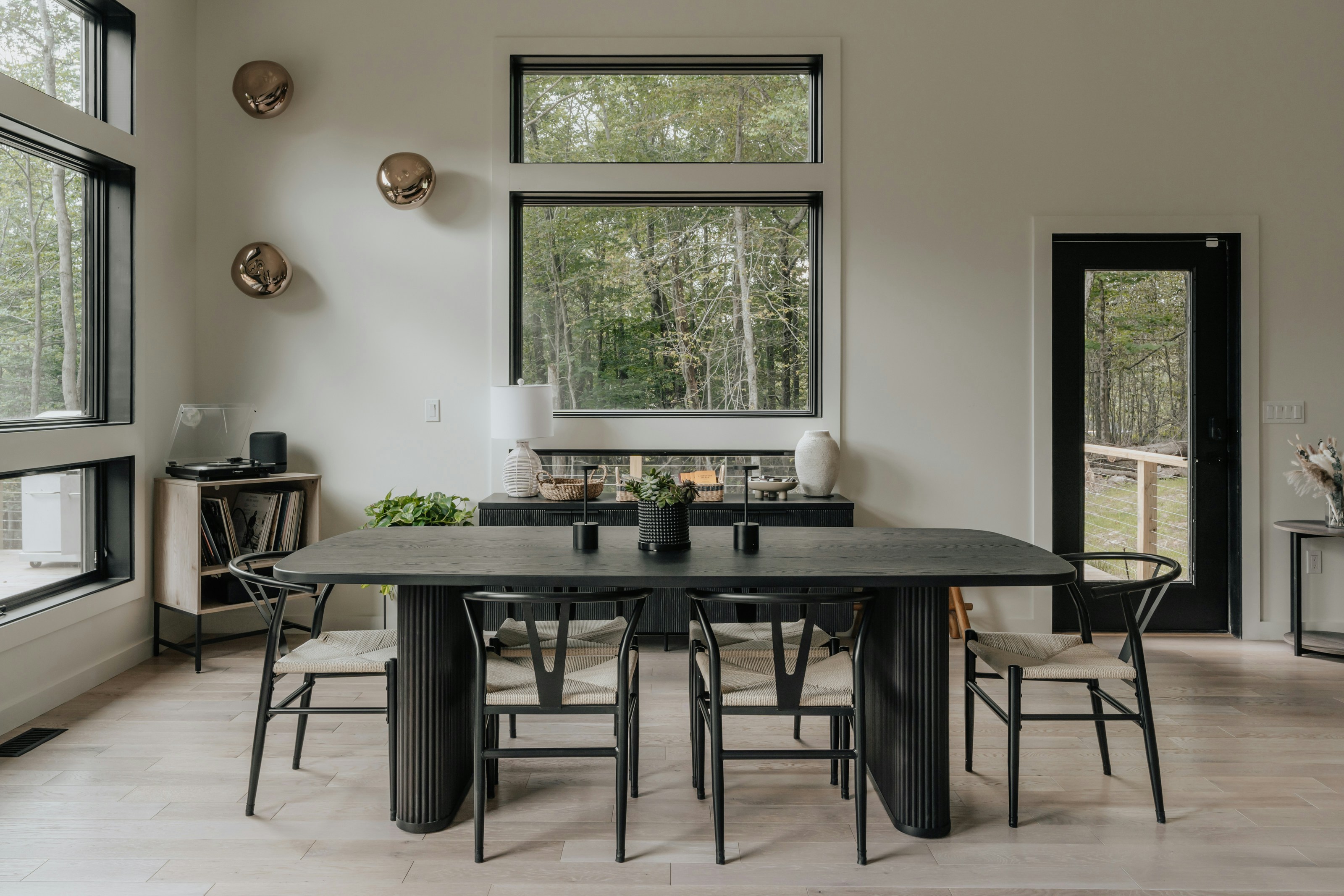
While aesthetics are important, the ultimate measure of a good furniture design is how it serves its users. Ergonomics—the science of designing for human comfort and efficiency—is a critical factor in custom furniture, and the design of table legs plays a vital role. The stability, height, and clearance provided by the legs directly impact the user's experience.
Here are key ergonomic considerations for designing with metal table legs:
Standard Heights for Optimal Posture: The height of a table surface is crucial for preventing strain. Different tables have different ergonomic standards:
- Dining Tables: The standard height is typically between 28 and 30 inches (71-76 cm). At this height, most adults can sit with their feet flat on the floor and elbows at a comfortable 90-degree angle.
- Desks: Similar to dining tables, desk heights of 28 to 30 inches are standard. This allows for a neutral posture, reducing back and neck strain during long work periods.
- Coffee Tables: These are much lower, usually 16 to 20 inches (41-51 cm), to align with the seat height of sofas and armchairs.
- Counter-Height Tables: Often found in kitchens, these tables stand at 33 to 36 inches (84-91 cm) and are paired with taller stools.
Knee and Leg Clearance: A comfortable table provides ample space for legs. This is where the design of metal legs offers a significant advantage.
- Adequate Space: There should be at least 10-12 inches of clearance between the top of the chair seat and the underside of the table (including any aprons).
- Leg Placement: The placement of the legs is critical. For rectangular tables, legs should be set in at least 12 inches from the ends to allow comfortable seating for people at the head of the table.
- Slim Profiles: The slim yet strong profile of metal legs, especially styles like pedestal or trestle bases, maximizes open space under the table, preventing guests from bumping their knees.
Unwavering Stability: Nothing ruins a dining or work experience faster than a wobbly table. The inherent strength and rigidity of metal provide a solid foundation that doesn't shake or tilt. This stability is particularly important for:
- Large or Heavy Tabletops: Metal's ability to support heavy loads without flexing ensures that even large dining tables or conference tables remain perfectly stable.
- Uneven Floors: Many metal legs come with adjustable leveling feet, allowing you to eliminate any wobble caused by uneven flooring, ensuring a consistently stable surface.
By prioritizing these ergonomic principles in your design, you can use metal legs to create custom furniture that is not only visually stunning but also exceptionally comfortable and functional for daily use.
The Wekis Approach: How Metal Table Legs Power Custom Projects
At Wekis, we see metal table legs as more than just components; they are the enablers of creativity. Their inherent strength and adaptability empower homeowners, designers, and DIY enthusiasts to bring unique visions to life. From transforming a family kitchen to outfitting a modern office, our custom metal table legs provide the foundation for projects that are both beautiful and built to last.
From Kitchens to Offices: The Adaptability of Custom Metal Table Legs
One of the greatest strengths of metal table legs is their remarkable versatility across different environments. Their unique blend of durability and style makes them a superior choice for furniture in nearly any room, from high-traffic commercial spaces to the most intimate corners of a home. This adaptability allows you to maintain a cohesive design language while meeting the specific functional demands of each space.
Here’s how custom metal table legs can be tailored to power projects in various settings:
- In the Kitchen: The kitchen is the heart of the home, a place of constant activity. Metal legs are an ideal choice for kitchen islands and dining tables because they are incredibly durable and easy to clean. Finishes like powder-coated steel or stainless steel resist moisture and stains, ensuring they hold up to spills and daily wear. A sturdy trestle or frame-style base provides unwavering support for heavy countertops like granite or butcher block, all while maximizing legroom for family gatherings.
- In the Living Room: In living and lounge areas, metal legs can introduce a touch of modern elegance. Think of a sleek console table with minimalist post legs behind a sofa, or a striking coffee table with a sculptural metal base as the centerpiece of the room. The ability to pair them with a wide range of materials—from reclaimed wood to polished marble—gives you complete creative freedom. The streamlined profile of many metal leg designs also helps make smaller living rooms feel more open and airy.
- In the Office & Workspace: Whether for a home office or a corporate boardroom, furniture needs to be both functional and impressive. Metal table legs provide the professional aesthetic and structural integrity required for work environments. They easily support large, heavy desks and conference tables and can be customized to any size. Furthermore, designs like pedestal or T-shaped legs offer ample clearance for office chairs and an uncluttered foot space, contributing to a more comfortable and productive work environment. Their durability ensures they can withstand the rigors of a busy office for years to come.
- In Commercial Settings: For restaurants, cafes, and retail spaces, furniture must be exceptionally robust and low-maintenance. Metal bases are the go-to choice in these high-traffic areas because they resist wear and tear, don't warp, and can be easily wiped clean. Their timeless style also ensures they won't look dated as design trends evolve, making them a smart long-term investment.
The ability of metal table legs to transition seamlessly between different roles and rooms makes them a powerful tool for any custom furniture project.
Customization at Its Core: Crafting Unique Metal Table Legs for Every Space
The true beauty of custom furniture lies in its ability to be perfectly tailored to your space and style. This principle extends all the way down to the legs. Customization is not just an option; it's at the very core of what makes metal table legs such a powerful design element. Moving beyond standard, off-the-shelf options opens up a world of possibilities to create a piece that is genuinely one-of-a-kind.
Here are the key areas where customization can transform your furniture project:
Custom Dimensions (Height & Width): Standard sizes don't always fit. You might need a dining table that's slightly taller to accommodate specific chairs, a desk that's narrower for a tight space, or coffee table legs that are lower than usual. With custom fabrication, you can specify the exact height and width of your legs, ensuring a perfect proportional fit for your tabletop and a comfortable ergonomic experience for users.
Unique Designs and Shapes: While there are many classic leg styles, your vision might call for something completely new. This is where a skilled metal fabricator shines. You can bring your own designs—from intricate geometric patterns to graceful, sculptural forms—and have them brought to life. Want legs that incorporate a company logo or a personal monogram? With custom work, it's all possible.
A Spectrum of Colors and Finishes: The finish of a metal leg does more than just protect it; it defines its personality. Customization gives you access to a vast palette.
- Powder Coating: This durable finish can be applied in virtually any color imaginable. You can match your legs to your room's accent color, create a bold contrast, or choose a subtle neutral. It's a versatile option that is resistant to scratches and chips.
- Specialty Finishes: For a truly high-end look, consider finishes like polished chrome for a mirror-like shine, brushed stainless steel for timeless elegance, or even electroplated brass and copper for a warm, luxurious feel.
- Raw and Clear-Coated Steel: For an authentic industrial or rustic look, you can opt for raw steel, which will develop a natural patina over time, or have it sealed with a flat clear coat to preserve its raw, textured appearance without rust.
By embracing the full potential of custom metal table legs, you are no longer just selecting a component; you are actively designing a key feature of your furniture. This level of personalization ensures that the final piece is a perfect and lasting reflection of your unique taste.
Beyond the Indoors: Weathering the Elements with Metal Table Legs
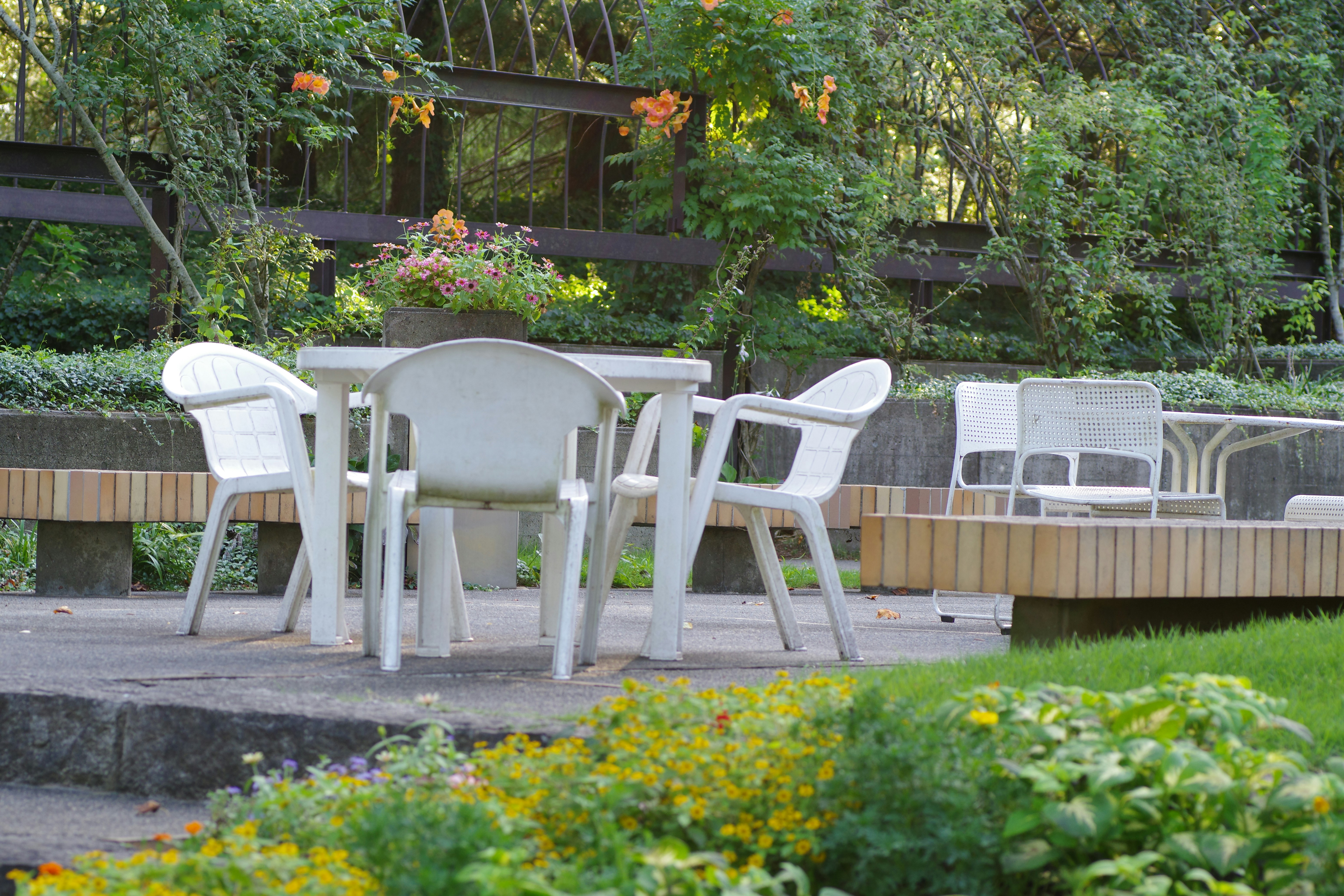
Custom furniture isn't just for your living room or office; it can elevate your outdoor spaces, too. When creating furniture for a patio, garden, or balcony, choosing materials that can withstand the elements is paramount. This is another area where metal table legs excel, offering the perfect combination of durability and style for outdoor use, provided the right materials and finishes are selected.
Not all metals are suited for outdoor life, but with the right choices, your outdoor furniture can remain beautiful and structurally sound for years.
Choosing the Right Metal for Outdoor Use:
- Stainless Steel: This is an excellent choice for outdoor furniture. Its inherent properties make it highly resistant to rust and corrosion, even in humid or coastal environments with salt in the air.
- Aluminum: Lightweight and naturally rustproof, aluminum is another fantastic option for outdoor table legs. It's easy to move around and holds up exceptionally well against moisture.
- Powder-Coated Steel: While regular raw steel will rust when exposed to moisture, steel that has been properly powder-coated is well-equipped for outdoor use. The powder coating process creates a durable, protective barrier that seals the steel from moisture and humidity, preventing corrosion.
The Importance of a Weather-Resistant Finish:
The finish is the first line of defense against sun, rain, and humidity. For outdoor metal table legs, a high-quality finish is non-negotiable.
- Super Durable Powder Coating: This is the gold standard for outdoor metal furniture. Super Durable Polyester (SDP) powder coatings are specifically formulated with enhanced UV resistance to prevent fading, chalking, and cracking from sun exposure. This tough finish also provides excellent protection against chipping and scratching, ensuring the legs look great season after season.
- Galvanization: For a more industrial or rustic aesthetic, galvanized steel is a great option. This process involves coating the steel with a thin layer of zinc, which is highly resistant to rust and gives the metal a unique, multi-tonal silver-grey finish.
- Protective Sealants: If you opt for a metal that isn't inherently rust-proof or powder-coated, applying a high-quality clear coat sealant designed for outdoor use is crucial. These sealants contain UV blockers and create a barrier against moisture.
By selecting the appropriate metal and finish, you can confidently design custom outdoor tables, benches, and console tables that are as stylish and enduring as their indoor counterparts.
Conclusion
Choosing custom furniture is about making a statement, and the right metal table legs are crucial for that. They're not just supports; they are integral to the piece's character, longevity, and overall aesthetic. Remember, quality, sustainability, and thoughtful design go hand-in-hand, and metal table legs embrace all these aspects. From industrial to minimalist, their versatility can anchor any design vision, providing a foundation of strength that will last for generations.
At Wekis, we believe that every detail matters. By focusing on the quality and design of our metal table legs, we empower you to create custom furniture that is not only beautiful and functional but also a true reflection of your personal taste and a lasting investment for your home. We are dedicated to being a premier metal table legs manufacturer that provides the building blocks for your creativity. Explore the possibilities and let the perfect metal legs become the defining element of your next custom masterpiece.
Frequently Asked Questions
1. What is the best metal for table legs? The "best" metal depends on your specific needs, balancing style, budget, and application.
- Steel (Carbon Steel): This is the most common and versatile choice. It is incredibly strong, durable, and cost-effective. For outdoor use or in moisture-prone areas like kitchens, it must be protected with a high-quality finish like powder coating to prevent rust.
- Stainless Steel: This is a premium option known for its excellent corrosion and rust resistance. It's an ideal choice for outdoor furniture, kitchens, and bathrooms, or for achieving a sleek, modern aesthetic.
- Aluminum: This metal is lightweight and naturally rustproof, making it another great choice for outdoor furniture or for pieces that may need to be moved frequently. For most indoor applications, powder-coated steel offers the best combination of strength, durability, and a wide range of aesthetic options.
2. How do I choose the right size metal legs for my tabletop? Choosing the right size involves considering height, width, and proportion to ensure both stability and ergonomic comfort.
- Height: Standard dining and desk tabletops are 28-30 inches high. Factor in your tabletop's thickness to determine the leg height (e.g., for a 30-inch total height with a 2-inch thick top, you need 28-inch legs). Coffee tables are lower (16-18 inches), and counter-height tables are taller (34-36 inches).
- Width/Spread: For stability, the width of the legs or base should generally be at least two-thirds the width of your tabletop. This prevents wobbling and provides a solid foundation.
- Clearance: Ensure there's adequate legroom. For dining tables, leg placement should allow at least 12 inches of clearance at the ends for seating. There should also be 10-12 inches of vertical space between the chair seat and the table's underside.
3. Will metal legs scratch my floors? This is a valid concern, but it's easily preventable. High-quality metal table legs are often designed with floor protection in mind. Many come with pre-installed adjustable leveling feet, which are typically made of plastic or have a felt bottom. These feet not only protect your floors from scratches but also allow you to stabilize the table on uneven surfaces. If the legs you choose don't include protectors, you can easily add self-adhesive felt pads to the bottom of the legs. This is a simple and inexpensive solution to keep your hardwood, tile, or laminate floors in perfect condition.
4. How do I care for and maintain my metal table legs? Maintenance for metal table legs is generally very simple.
- For Powder-Coated Finishes: These are very low-maintenance. Simply wipe them down with a soft, damp cloth and a mild soap solution to remove dust and spills. Avoid using harsh chemical cleaners or abrasive scrubbers, which could dull or scratch the finish.
- For Stainless Steel: Clean with a soft cloth and a cleaner specifically designed for stainless steel to maintain its shine and remove fingerprints. Wiping in the direction of the grain can help prevent streaks.
- For Raw Steel: If you've chosen a raw steel finish and want to prevent rust, you will need to apply a protective clear coat or wax periodically. If you prefer the natural-aged look, simply let it patina over time. For outdoor furniture, regular inspection for any chips in the finish is recommended. If you find a chip, it's best to touch it up with a matching sealant or paint to prevent rust from setting in.